
Road rules
- Traffic drives on the right-hand side of the road.
- Seatbelts are compulsory for everyone in the car.
- Using a phone while driving is not allowed.
- Drink-driving is taken very seriously. Do not drink and drive.
- Give way to pedestrians. Many people walk along the roads, especially in villages.
Speed limits and speed cameras
Speed limits in Rwanda are low compared with many countries, and they are enforced with fixed and mobile speed cameras and police checks. Watch the posted signs, and slow down whenever you enter a town or village. Fines are issued electronically and linked to the car, so we recommend driving at or below the limit at all times.
Umuganda: the last Saturday of the month
On the last Saturday of every month, Rwanda holds Umuganda, a national morning of community work. From early morning until around midday, most traffic stops and shops are closed. Plan to start any road trip in the afternoon, or leave the day before.
Road conditions
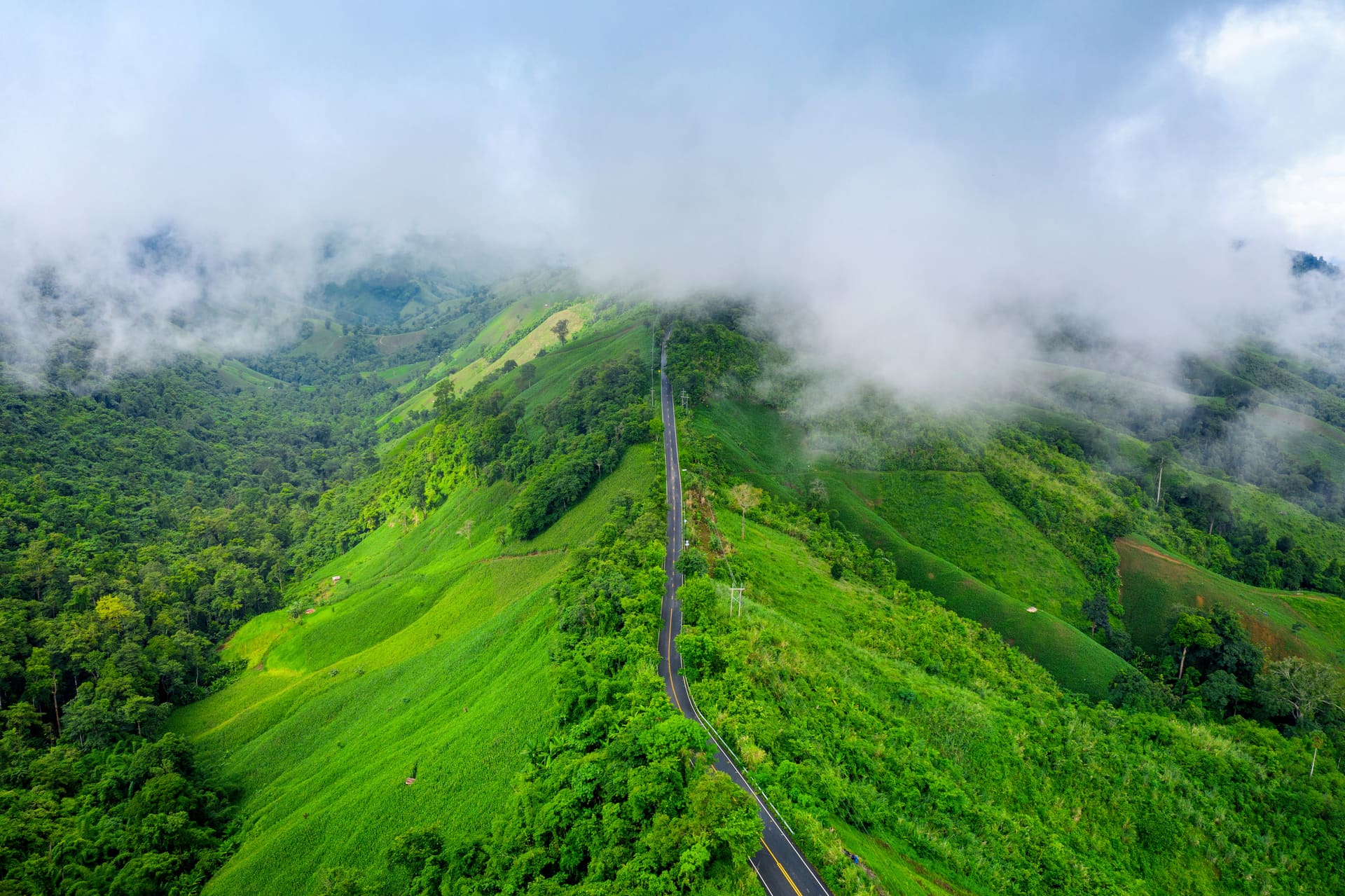
The main national roads, such as Kigali to Musanze, Rubavu, Huye and Nyungwe, are paved and generally in good condition. They are also hilly and winding, so journeys take longer than the distance suggests: plan on an average of around 40–50 km per hour.
Secondary and rural roads are often unpaved and become slippery in the rainy seasons (roughly March to May and October to December). For these roads and for Akagera game drives, choose a 4x4.
Fuel
Fuel stations are easy to find in Kigali and in every town. Inside national parks there are none, so fill up before driving to Akagera or through Nyungwe. Most stations accept cash in Rwandan francs, and many also take cards and mobile money.
Police checks
Police checkpoints are common and routine. Slow down, greet the officer, and have your driving licence, passport and the rental documents ready. Our cars come with all the paperwork you need.
Driving at night
Where you can, drive in daylight. Rural roads are not lit, and pedestrians, cyclists and animals are hard to see after dark. Rwanda is close to the equator, so it gets dark around 6–6:30 pm all year.
Typical driving times from Kigali
| Destination | Approx. distance | Approx. driving time |
|---|---|---|
| Kigali International Airport | 10 km | 20–30 min |
| Musanze / Volcanoes National Park | 95–110 km | 2–2.5 hours |
| Akagera National Park (south gate) | 110–120 km | 2.5 hours |
| Rubavu (Gisenyi), Lake Kivu | 155–160 km | 3–3.5 hours |
| Karongi (Kibuye), Lake Kivu | 130–145 km | 2.5–3 hours |
| Huye (Butare) | 125–135 km | 2.5 hours |
| Nyungwe National Park | 220–230 km | 4.5–5 hours |
Times are estimates for daytime driving without long stops.
Renting a car for your trip
Our self-drive rentals include insurance, unlimited mileage and 24/7 roadside help, with free delivery at Kigali Airport. If you prefer not to drive, book a car with a driver.
Frequently asked questions
Which side of the road does Rwanda drive on?
Rwanda drives on the right-hand side of the road.
Is it safe to drive in Rwanda?
Rwanda is one of the safest countries in the region to drive in. Main roads are well maintained and traffic rules are enforced. Drive in daylight, respect speed limits and watch for pedestrians.
Can I drive during Umuganda?
Traffic is restricted during Umuganda on the last Saturday morning of each month. Plan to travel after midday.